

The Ultimate Guide to Brazil for US Citizens
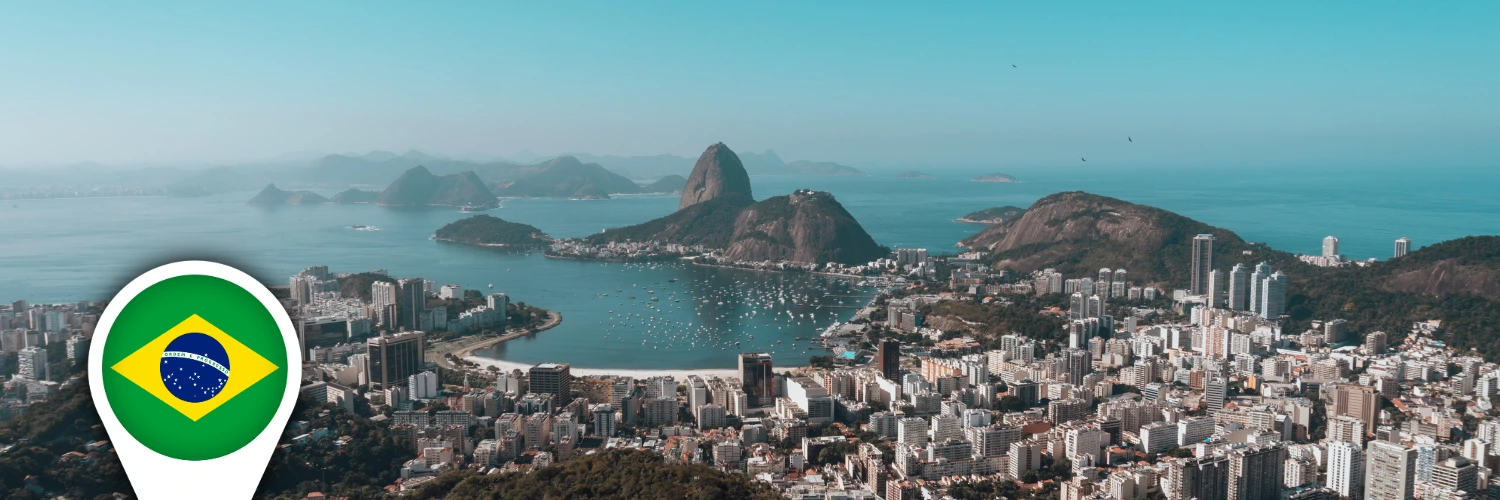
Brazil is the largest country in South America and a major cultural and economic force in the region, home to much of the Amazon rainforest and a long Atlantic coastline. For U.S. citizens, Brazil may offer opportunities in business, investment, retirement, real estate, and lifestyle, depending on individual goals and legal requirements.
This guide walks you through everything a US citizen needs to know about Brazil:
- What draws Americans here
- How to visit, invest, or relocate
- What day-to-day life actually looks like
- The legal, tax, and business questions that come with any serious move or investment
We built this guide to give you the real, practical picture of Brazil, starting with the resources below.
Recommended Pages
Explore our full library of Brazil-specific legal resources:
- Brazil Legal Basics
- US Consulates in Brazil
- Brazil History
- Reasons to Invest in Brazil
- Lawyering
- Doing Business
- Brazil International
Why Brazil?

Brazil has deep ties with the United States through trade, diplomacy, and cultural exchange. Brazilian communities in the U.S. are especially visible in states such as New York, Massachusetts, and Florida.
As Latin America’s largest country and one of its major democracies, Brazil plays an important regional and global role. Its culture reflects a rich blend of Indigenous, African, and European influences, which is visible in its music, cuisine, and everyday life.
Top Reasons US Citizens Choose Brazil

- Economic Opportunity: Brazil is the largest economy in Latin America, with growing sectors in agribusiness, energy, technology, and manufacturing that continue to attract foreign capital and talent.
- Lower Cost of Living: Housing, dining, and everyday expenses in most Brazilian cities remain significantly lower than comparable US metro areas.
- Natural Diversity: From the Amazon rainforest to the beaches of Rio and the wetlands of the Pantanal, Brazil offers a range of landscapes unmatched almost anywhere in the world.
- Vibrant Culture: Brazil’s music, food, festivals, and social life offer a lifestyle many Americans find hard to replicate back home.
- Growing Real Estate Market: Brazil’s real estate market has shown strong long-term growth, particularly in coastal and metropolitan areas popular with foreign buyers.
- Strategic Business Access: As a member of MERCOSUR and BRICS, Brazil offers a gateway into broader South American and emerging-market trade relationships.
- Friendly and Welcoming Culture: Brazilians are widely known for their warmth toward foreigners, and that hospitality makes the adjustment period considerably easier for Americans settling in.
Traveling to Brazil

Entry Requirements for US Citizens
According to the US Department of State, a visa is required for US citizens to travel to Brazil, regardless of the purpose of travel. You must apply for and be approved for the visa before leaving for Brazil.
These requirements have shifted more than once in recent years and remain subject to change with little notice. US citizens should confirm current entry requirements directly with a Brazilian consulate or US Consulates in Brazil before booking travel.
Best Times to Visit
Brazil is enormous, and its climate varies significantly by region.
Rio de Janeiro and the southeast are often more comfortable outside the December–February summer peak. The area can be hotter, more crowded, and more expensive around Carnival and New Year’s celebrations.
The Amazon is generally better suited to the drier months. Though, it can be visited year-round, and the northeast coast stays warm for most of the year.
Major Destinations
- Rio de Janeiro: Iconic beaches, Christ the Redeemer, and Brazil’s most recognizable skyline.
- São Paulo: Brazil’s financial and business capital, with a dense, world-class food and arts scene.
- The Amazon: The world’s largest rainforest, accessible through gateway cities like Manaus.
- Salvador and the Northeast Coast: The heart of Afro-Brazilian culture, with some of the country’s best beaches.
- The Pantanal: One of the world’s largest tropical wetlands, known for wildlife viewing.
A first visit to any of these regions is often what turns a US citizen’s interest in Brazil from a vacation into a longer-term question about business, investment, or relocation.
Living in Brazil
Overview of the Expat Community
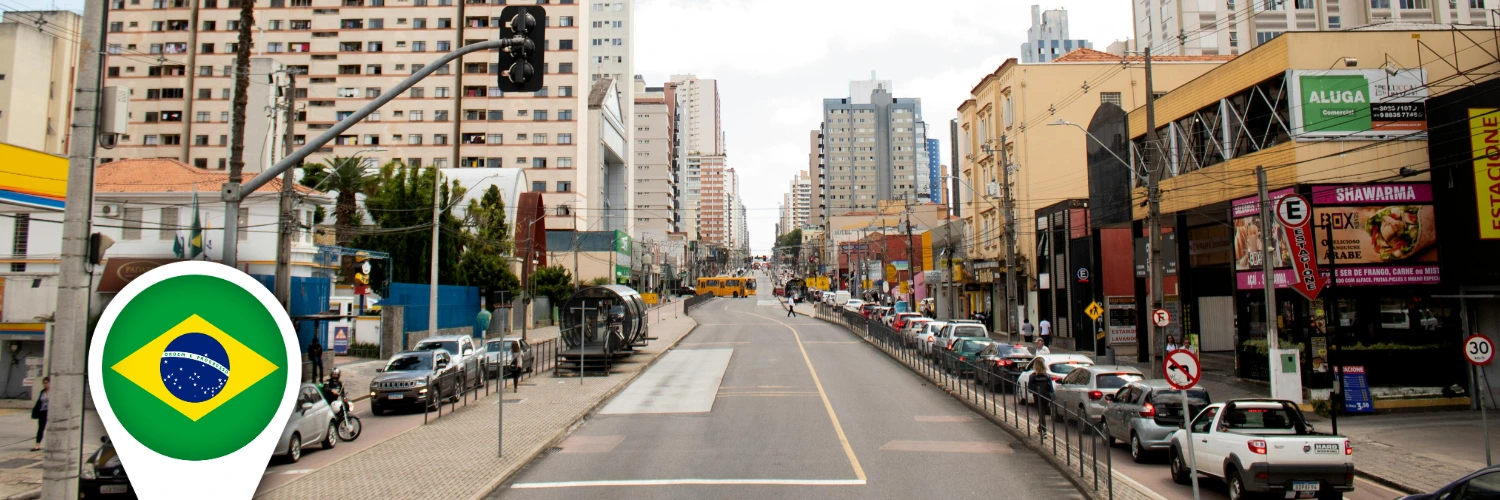
US citizens living in Brazil tend to concentrate in São Paulo and Rio de Janeiro for business and lifestyle reasons. There are also smaller but active communities in cities like Florianópolis and Recife. Expat networks, international schools, and English-speaking services are most established in these larger metro areas.
Cost of Living Comparison (Brazil vs. the US)
Brazil offers meaningful savings over most major US cities, particularly in housing, domestic help, and dining out. Though, imported goods and electronics tend to run more expensive due to import taxes. Overall, a comfortable lifestyle in most Brazilian cities costs considerably less than an equivalent lifestyle in the US.
Lifestyle and Cultural Differences
Brazilian business culture places a strong emphasis on personal relationships before formal negotiations, and daily life generally moves at a more relationship-driven, less schedule-rigid pace than in the US. Government bureaucracy can take some getting used to, as processes often move more slowly and involve more paperwork than most Americans are accustomed to, a bit of patience goes a long way for new arrivals.
Social Customs and Integration
Brazilians are known for their warmth and hospitality, and social life often centers around food, music, and family. Learning Portuguese (not Spanish, a common assumption among Americans) is essential for real integration, since English is far less commonly spoken in Brazil than in much of Western Europe.
Visas, Residency and Path to Citizenship

Brazil offers several residency pathways for US citizens, depending on your purpose for relocating: investment, retirement, family ties, or remote work.
- Brazil Digital Nomad Visa: For remote workers and freelancers earning income from outside Brazil who want to live in the country while continuing to work for non-Brazilian employers or clients.
- Brazil Retirement Visa: Available to individuals who can demonstrate a minimum guaranteed monthly income from a pension or other qualifying source.
- Permanent Residency by Marriage: For those with a Brazilian spouse, offering a more direct path to permanent residency.
- Family Reunion Visa: Available to those with a qualifying family relationship to a Brazilian citizen or resident.
- Brazil Golden Visa: A residency-by-investment pathway available to those making a qualifying real estate or business investment in Brazil.
Residency to Citizenship
Brazil generally allows foreign nationals, including US citizens, to apply for permanent residency after a qualifying period of temporary residency, and naturalization after four years of legal residency in most cases (with shorter timelines available in certain circumstances, such as marriage to a Brazilian citizen). Brazil permits dual citizenship, meaning US citizens do not need to give up their American citizenship to naturalize.
Not sure which visa fits your situation? Explore other Brazil visa options with our immigration team to find the right pathway for your goals.
Real Estate in Brazil
Buying Property in Brazil for US Citizens
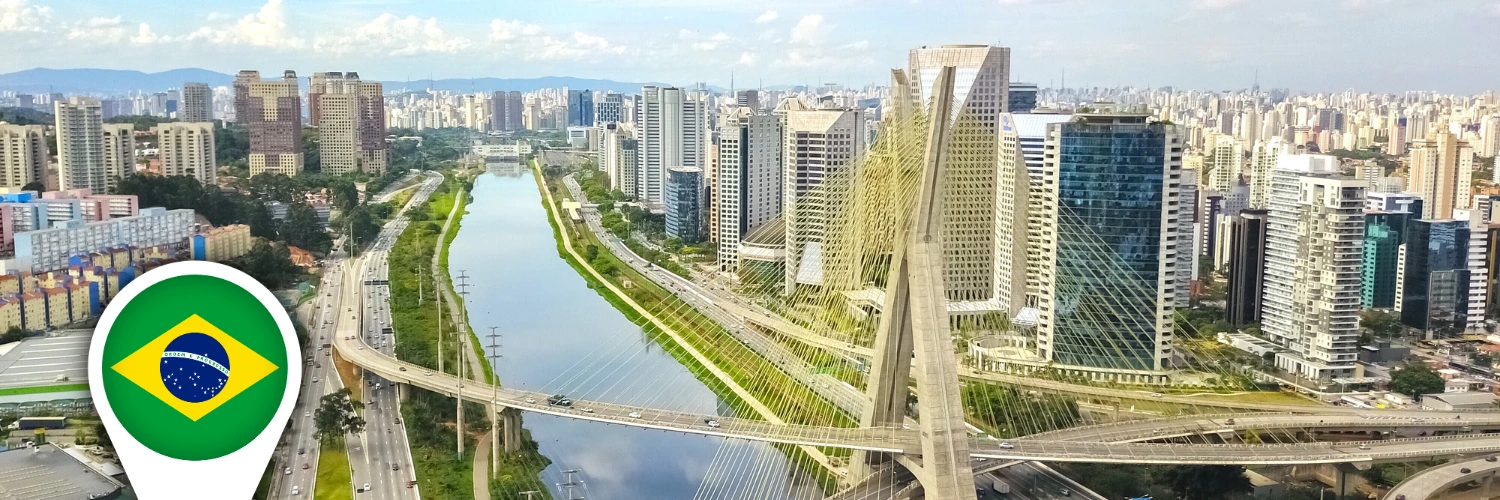
Foreign nationals can generally purchase property in Brazil without restriction, with the notable exception of certain rural and border-area land, which is subject to additional government approval. The purchase process involves registering the property with the local Real Estate Registry Office (Cartório de Registro de Imóveis) and obtaining a Brazilian tax identification number (CPF) before closing.
Popular Regions for Property Investment
- São Paulo: Brazil’s largest and most liquid real estate market, driven by business and rental demand.
- Rio de Janeiro: Strong tourism and short-term rental demand, particularly in beachfront neighborhoods.
- Florianópolis: A rapidly growing coastal city popular with both Brazilian and foreign buyers.
- Northeast Coast (Bahia, Fortaleza): More affordable coastal property with a growing foreign buyer presence.
Legal Considerations
Real estate transactions in Brazil involve their own due diligence process, including verifying clear title, confirming there are no outstanding liens or disputes, and ensuring proper registration. Because property fraud and title issues are more common in Brazil than in the US, working with an independent local attorney to conduct due diligence before any funds change hands is strongly recommended.
Working and Doing Business in Brazil

Brazil has one of the most heavily regulated business environments in Latin America. This is why understanding the fundamentals before entering the market especially important.
- Foreign Capital: Rules governing how foreign capital enters and is registered in Brazil.
- Forms of Association:The available legal structures for setting up a business in Brazil.
- Brazil Tax System: An overview of Brazil’s notoriously complex tax structure, including federal, state, and municipal taxation.
- Major Institutions: The key regulatory and governmental bodies that oversee business activity in Brazil.
- Consumer Rights: Brazil’s consumer protection framework, which is notably strong and strictly enforced.
- Representation Agreement: Legal considerations for foreign companies operating in Brazil through local representatives.
- Labor Law: Brazil’s labor code is highly protective of employees, and non-compliance is one of the most common and costly mistakes foreign businesses make.
Healthcare System in Brazil

Overview of the Brazilian Healthcare System
Brazil operates a universal public healthcare system, the Sistema Único de Saúde (SUS), which provides free care to residents and, in practice, to visitors as well. Quality and wait times in the public system vary significantly by region and facility.
Access for US Expats
Most expats, once they can afford it, opt for private healthcare or private health insurance, which offers considerably shorter wait times and a higher, more consistent standard of care, particularly in major cities like São Paulo and Rio de Janeiro.
Private Healthcare Options
Brazil’s private healthcare sector is well developed, with modern hospitals and highly trained physicians, many of whom trained internationally. Private health insurance in Brazil remains substantially cheaper than comparable coverage in the US.
Quality of Care
Private care in Brazil’s major metropolitan areas is generally regarded as excellent, on par with quality found in the US and Western Europe, while public care and quality of facilities in smaller or more remote areas can be considerably more limited.
Retirement in Brazil

Benefits of Retiring in Brazil for US Citizens
Brazil’s combination of low cost of living, warm climate in much of the country, and vibrant culture has made it an increasingly popular retirement destination for Americans, particularly those looking for a lower cost of living without leaving the Americas.
The Retirement Visa Pathway
Brazil’s retirement visa is available to those who can demonstrate a minimum guaranteed monthly income, typically from a pension or Social Security, making it accessible to a wide range of American retirees.
Daily Life for Retirees
Coastal cities and smaller towns along the northeast coast have become popular with retirees seeking a slower pace of life and lower cost of living, while São Paulo and Rio offer big-city amenities and stronger expat infrastructure.
Financial Considerations
Currency fluctuation is a more significant factor for retirees in Brazil than in many other popular expat destinations, given the historical volatility of the Brazilian real against the US dollar. Retirees should also plan around Brazilian taxation of foreign income and the cost of supplemental private health insurance.
Taxation and Financial Planning for US Expats in Brazil

Brazil taxes residents on worldwide income, and its tax system is widely regarded as one of the most complex in the world, spanning federal, state, and municipal levels. US citizens relocating to or investing in Brazil need to understand how Brazilian tax residency is triggered, how it interacts with ongoing US tax filing obligations (including FBAR and FATCA reporting), and how income, capital gains, and remittances are treated under Brazilian law.
Estate Planning for Foreigners in Brazil

Estate planning becomes considerably more complex once assets, property, or residency span both the US and Brazil. Brazilian inheritance law includes forced heirship rules that guarantee a portion of an estate to certain family members regardless of what a will states, a significant departure from the flexibility US citizens are used to under American estate law.
US citizens who own property in Brazil, hold Brazilian residency, or have Brazilian family members need an estate plan that accounts for both legal systems, since a US will alone may not fully govern Brazilian-based assets.
Inheriting Property in Brazil

For US citizens inheriting property or assets in Brazil, the process runs through Brazilian probate (inventário), which can be notably slower and more procedurally complex than US probate, particularly when heirs are located abroad. Brazilian inheritance tax (ITCMD) is assessed at the state level, with rates varying depending on where the property is located.
Foreign heirs navigating a Brazilian inheritance, especially where the estate involves real property, business interests, or disputes among heirs, benefit significantly from local legal representation familiar with both the inventário process and how it interacts with US estate matters.
Resolving Legal Disputes in Brazil

Disputes in Brazil are typically resolved through one of four paths, each with its own tradeoffs: direct communication through a neutral third party, mediation, arbitration, or litigation. Arbitration is usually triggered by a clause already in the underlying contract, while litigation, often the last resort, can take considerably longer in Brazil than in the US, sometimes stretching for years.
US citizens and businesses navigating a dispute in Brazil benefit from local counsel who can help choose the right approach for the situation. Our Dispute Resolution team starts with an amicable path where possible, and moves toward more assertive strategies, including arbitration or litigation, when needed.
Cultural Insights and Tips for Integration in Brazil

Understanding Brazilian Culture
Brazilian culture blends Portuguese, African, and Indigenous influences into a distinct national identity, expressed through its music, food, and famously vibrant social life.
Language and Communication
Portuguese, not Spanish, is Brazil’s official language, and a common misconception among Americans. English is far less widely spoken than in much of Europe, making at least basic Portuguese essential for daily life and business.
Navigating Bureaucracy
Brazilian bureaucracy is famously complex and paperwork-heavy, with processes that can take significantly longer than a US citizen might expect. Patience, and often local professional help, makes a meaningful difference.
Building Social Connections
Brazilians are generally warm and social, and relationships often form organically through shared meals, local events, and community activities rather than formal networking.
Adapting to the Brazilian Lifestyle
A more relationship-first approach to both business and daily life, paired with a generally more relaxed relationship to time, tends to be the biggest adjustment for Americans relocating to Brazil.
Avoiding Scams in Brazil
Brazil is an amazing country, but like any major destination for tourism and foreign investment, it has its share of scams targeting newcomers.
Know some of the main types of scams in Brazil to spot and avoid them. A licensed, independent attorney, not just a real estate agent, business contact, or online “consultant”, remains your best safeguard against these pitfalls.
How Oliveira Lawyers Can Help
Brazil’s opportunities are real, but so is the complexity behind its legal, tax, and regulatory systems. This guide is meant to give you a solid starting point, but every situation is different, and the details matter.
If you’re ready to move from research to action, our team works with US citizens and businesses at every stage of their journey in Brazil, including:
- Structuring an investment, business, or property purchase before you commit
- Navigating visa and residency pathways
- Coordinating US and Brazilian tax and estate planning
- Resolving disputes involving Brazilian property, contracts, or inheritance
- Avoiding the common mistakes foreign buyers, investors, and residents run into
Schedule a consultation with our Brazil legal team whenever you’re ready to talk through your specific situation.
Client Resources: Clients may upload their documents using our secure document uploader.