

Zoning and Building Codes in Brazil
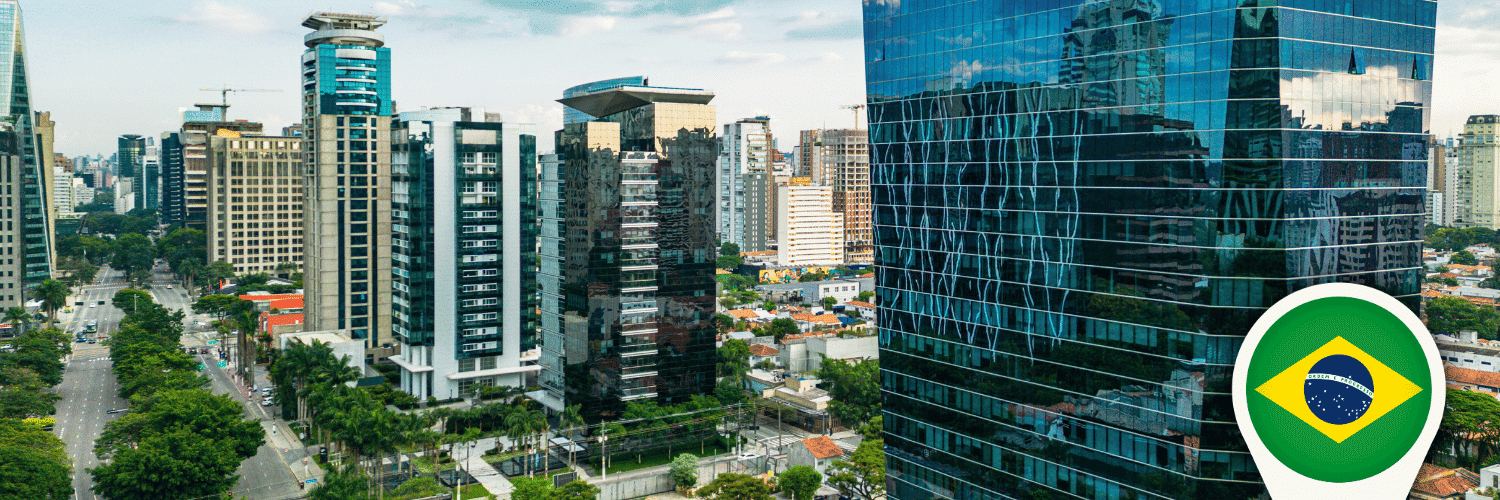
Before buying, check whether you can use the property as planned and whether any building work needs approval. Much like in the United States, real estate in Brazil must adhere to a list of building codes. But do not assume that a familiar type of renovation follows the same rules here.
Reviewed by Luciano Oliveira, Esq. — October 2026
This content is intended for general information purposes only and does not constitute legal advice. For legal issues or decisions of any kind, the reader should retain and consult legal counsel. You should not act or rely on information at this web site without first seeking the advice of an attorney.
1. Understand the two checks
Zoning addresses what the property may be used for and what may be built there. Building rules address the work itself and the conditions the building must meet. A permitted use does not mean every renovation is allowed. [1, 2]
Start with the municipality where the property is located. Permit names, exemptions and procedures vary. State and federal requirements may also apply, including fire safety, environmental and heritage restrictions. São Paulo is used in the sources below as an example, not as a rule for every Brazilian city. [1, 2]
2. Identify the work you are planning
Buying real estate in Brazil might not always be as simple as purchasing an existing apartment complex in mint condition, and you might have to do some serious work on a property. You should consider the different types of situations that may require permits or other approvals:
These examples help describe your plans. They are not nationwide legal definitions. Have a local architect or engineer confirm how the municipality classifies the work. [2, 3]
New Construction: If you are constructing a brand new building in an empty plot of land or completely demolishing the existing building to make a new one, check the required demolition and construction approvals before work begins. [2]
Refurbishment: In some cases, you can leave a building as is for your investment, but modify it by adding to or changing the structure. The scope of the changes matters when deciding which approvals are required. [2]
Reconstruction: Some buildings in Brazil might be in prime locations, but are completely dilapidated due to natural disasters. In this case, you might want to keep the building’s original structure, but reconstruct it to meet modern needs. A technical assessment should establish what can safely be retained and what approvals are needed.
Small Refurbishment: As with regular refurbishment, small refurbishment is when you change the existing building to meet your needs. An example of a small refurbishment might be changing a carpeted apartment complex so that it has hardwood floors throughout. Even a small job should be checked for applicable building and condominium rules; do not assume that every change needs a municipal permit or that none does. [2]
3. Check a change in use before buying
Change of Land Use: When you change the purpose of a building, you might infringe the zoning laws in place. For example, the maximum number of occupants allowed in a classroom differs from the maximum allowed in a nightclub, even if the square footage is the same. Have the proposed use checked before committing to the purchase; it may need different approvals or may not be allowed at that location. [2]
For example, converting a house into a restaurant can raise questions about permitted use, access, fire safety and operating approval. Buying the building does not itself authorize the business. [2, 4]
4. Compare the paperwork with the actual building
Ask your lawyer and architect or engineer to connect three things: what the records show, what is actually built, and what you want to do. Useful questions include:
- Do the approved plans match the building, including later extensions and enclosed areas? [3]
- Is there a completion or occupancy document, often called Habite-se or Certificado de Conclusão, and what does it cover? [3, 4]
- Are there unresolved notices, stopped works or restrictions that affect the proposed work or use? [2]
- If something is irregular, can it be corrected, at what cost, and before which purchase commitment? Do not rely on a promise that it can be legalized later. [2]
A completion certificate and a business operating license serve different purposes. In São Paulo, for example, the completion certificate does not by itself authorize a nonresidential activity to operate. [4]
5. Get legal and technical advice before committing
You can renovate buildings to fit your needs and to fit the popular modern style. However, when you do so, you need to make sure you get the appropriate permits in order and comply with the applicable building rules. Without seeking professional assistance, you could break real estate zoning laws and face serious consequences.
Your lawyer assesses legal restrictions and the purchase terms. An architect or engineer assesses the building and proposed work. In São Paulo, the municipality expressly directs owners to engage an architect or civil engineer for building work or regularization. [3]
For the ownership record, see How to Check Property Records in Brazil. For the wider document checks, see Property Certificates in Brazil.
Related guides
To learn all about purchasing real estate in Brazil, check our How to Buy Properties in Brazil guide.
Learn about the advantages of buying real estate in Brazil in our Why Buying Real Estate in Brazil guide. Find opportunities and decide where to buy using our Know Where to Buy Real Estate in Brazil guide.
Sources supporting this guide
Official sources checked on 21 October 2026. Local examples must be checked against the municipality where the property is located.
| Source | What it supports |
|---|---|
| [1] Brazilian Constitution | Article 30 VIII supports the municipality’s role in controlling urban land use. |
| [2] São Paulo Building Code | Law 16,642/2017, consolidated text. Local example covering building work, approvals, restrictions, enforcement and regularization. It is not a nationwide permit list. |
| [3] São Paulo municipal guidance | Sala Arthur Saboya questions and answers, items 4.1, 4.3 and 6.2. Professional assistance, completion documents and checking work against approved plans. |
| [4] São Paulo completion certificate | Official issued certificate explains that completion approval does not authorize nonresidential activities to operate. This is a municipal example, not a nationwide form. |

Attorney Consultation
[email protected]
+55-11-4349-1915 Brazil
+1-214-432-8100 USA
Get a quote today!