

How Foreign Governments, NGOs, and Institutions Partner with Brazil
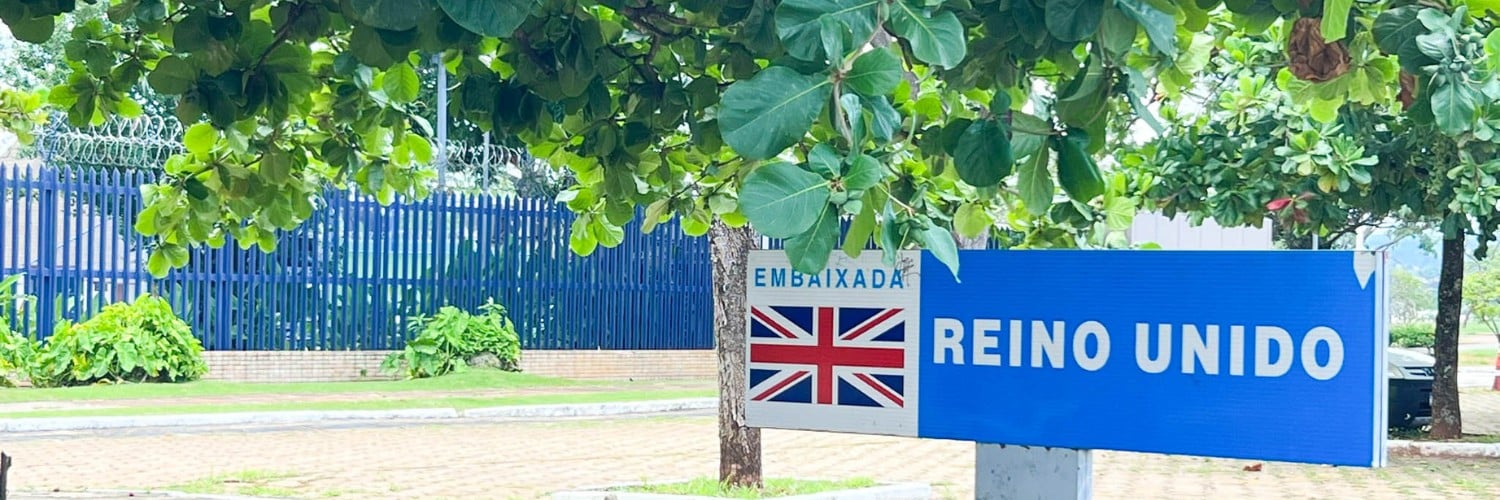
Brazil is an active partner for foreign governments, development agencies, NGOs, universities, and multilateral institutions, but the channels are far from obvious from the outside. This page maps how foreign organizations actually engage and partner with the Brazilian government, and where to start.
Reviewed by Luciano Oliveira, Esq., LL.M — licensed in Brazil, Texas, and California. Last reviewed June 2026.
This page is general information, not legal advice, and it is not a promise of any particular result with the Brazilian government.
The Main Channels
Most foreign engagement with Brazil flows through a handful of institutions, and knowing which one owns your issue can save months. Three matter most:
- The Ministry of Foreign Affairs (Itamaraty) coordinates Brazil’s international relationships and acts.
- The Brazilian Cooperation Agency (ABC), inside Itamaraty, runs technical, scientific, and development cooperation, the usual home for cooperation projects.
- Sector ministries and agencies handle partnerships in their own fields, health, education, environment, science and technology, and so on.
Knowing which door, and which person behind it, is the first and biggest hurdle for a foreigner.
Types of Partnership
Cooperation with Brazil takes several forms, and the right one depends on what you are trying to build. The most common are:
- Formal instruments — cooperation agreements and MOUs, covered on our dedicated MOUs and cooperation agreements page.
- Technical and development cooperation — including the South-South and triangular models run through ABC.
- Institutional partnerships — between universities, research bodies, and agencies.
- Project and program collaboration — joint initiatives with a Brazilian counterpart.
If you are a foreign NGO
Operating in Brazil generally means establishing some local presence (a registered entity or a representative arrangement) and, often, a Brazilian counterpart. Public-sector partnerships can run through specific legal vehicles, such as partnerships under the MROSC framework (Lei 13.019/2014). Foreign-funded civil-society work has also drawn increased legislative attention in recent years, so getting the structure right at the outset matters. We help you navigate both the setup and the counterpart relationship.
If you are a foreign government or institution
Engagement typically runs through Itamaraty and the relevant ministry or agency, and it is relationship- and protocol-driven. Trade and cooperation missions, MOUs, and joint programs all begin with identifying and reaching the right Brazilian counterpart; for how those meetings are actually arranged, see Institutional Relations in Brasília.
Where to start
Start by defining the outcome you want and the Brazilian institution most likely to own it, then open the right conversation. We do both, pinpoint the counterpart and make the introduction, then coordinate the legal and procedural steps that follow.
How we help
We identify the right Brazilian institution and people, open the conversation, coordinate the Brazilian legal and procedural steps, and stay alongside, in fluent English, with the integrity a foreign organization needs. We do not promise a particular decision or partnership, the Brazilian side decides, but we make sure you reach the right table, well prepared.
Why us
We have helped foreign organizations establish a presence in Brazil and reach the right ministries and ABC, coordinating the Brazilian legal steps and running the process in fluent English. Dual-qualified, with the Brasília relationships to make the introductions that matter.
Book a consultation with a Brazilian attorney
This article is general information only. It is not legal advice, it creates no attorney–client relationship, and it is not a guarantee of any partnership or result. Your path depends on the facts, which we would review with you directly.
Frequently Asked Questions
Can a foreign NGO operate in Brazil?
Generally yes, usually with a local presence or counterpart and the right legal structure. Recent legislative proposals on foreign-funded civil-society work make getting the structure right important.
How do foreign governments cooperate with Brazil?
Mainly through Itamaraty, the Brazilian Cooperation Agency (ABC), and the relevant ministries, via cooperation agreements, MOUs, and joint programs.
Do we need a Brazilian counterpart or partner?
Usually yes. A local counterpart and a bilingual coordinator make engagement far smoother and faster.
How do we start?
Define the outcome you want and the Brazilian institution most likely to own it, ABC for cooperation projects, or the relevant sector ministry for sector-specific work, then open the right conversation. We help with both.
Related: Government Relations in Brazil for Foreign Organizations · MOUs & Cooperation Agreements with the Brazilian Government · Institutional Relations in Brasília